CPUs
Browse the complete catalog of gaming CPUs indexed on FPSpilot. Each processor includes its gaming performance index from real benchmarks, compatible socket and community builds using it. Compare AMD Ryzen and Intel Core CPUs to find the best processor for your next build.

Intel
Core i7-11800H

Intel
Core i7-12700K

Intel
Core i9-11900K

Intel
Core i9-12900K

Intel
Core i9-12900KF

Intel
Core i3-10100

Intel
Core i3-10100F

Intel
Core i5-10400

Intel
Core i5-10400F
Intel
Core i5-10600K
Intel
Core i7-10700
Intel
Core i7-10700F
Intel
Core i7-10700K
Intel
Core i9-10850K
Intel
Core i9-10900K

Intel
Core i3-9100F
Intel
Core i5-9400F

Intel
Core i5-9500
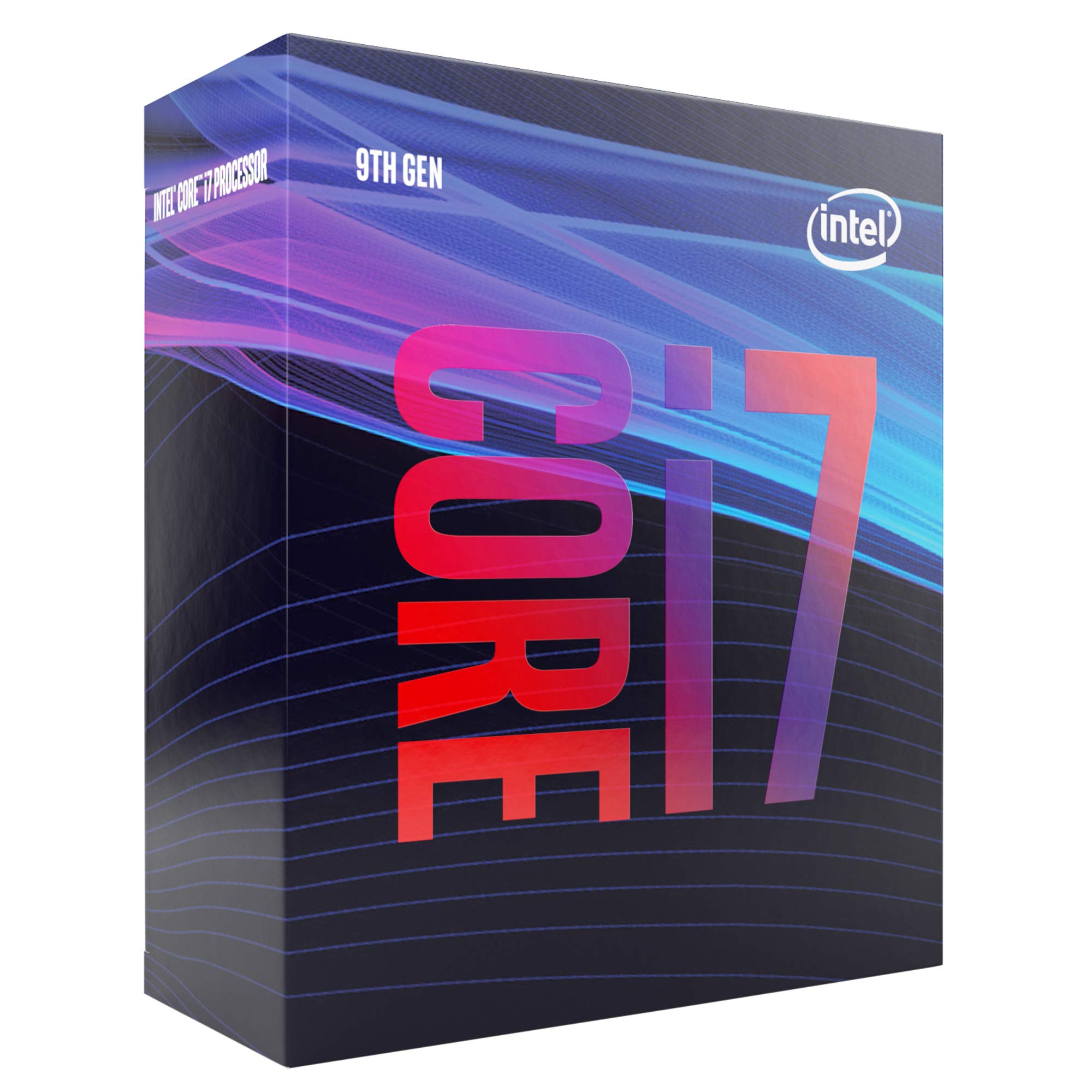
Intel
Core i7-9700
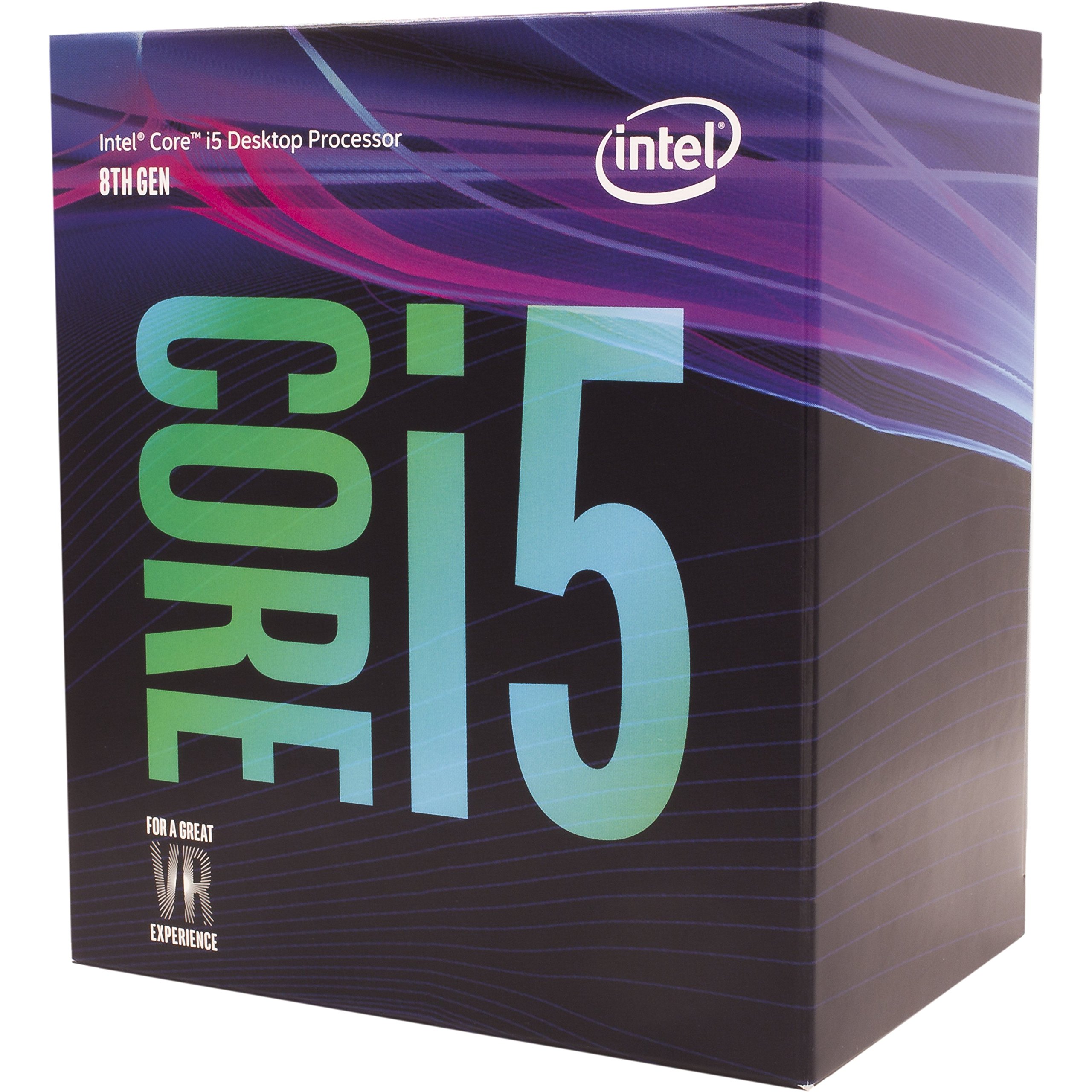
Intel
Core i5-8500

Intel
Core i5-9600K
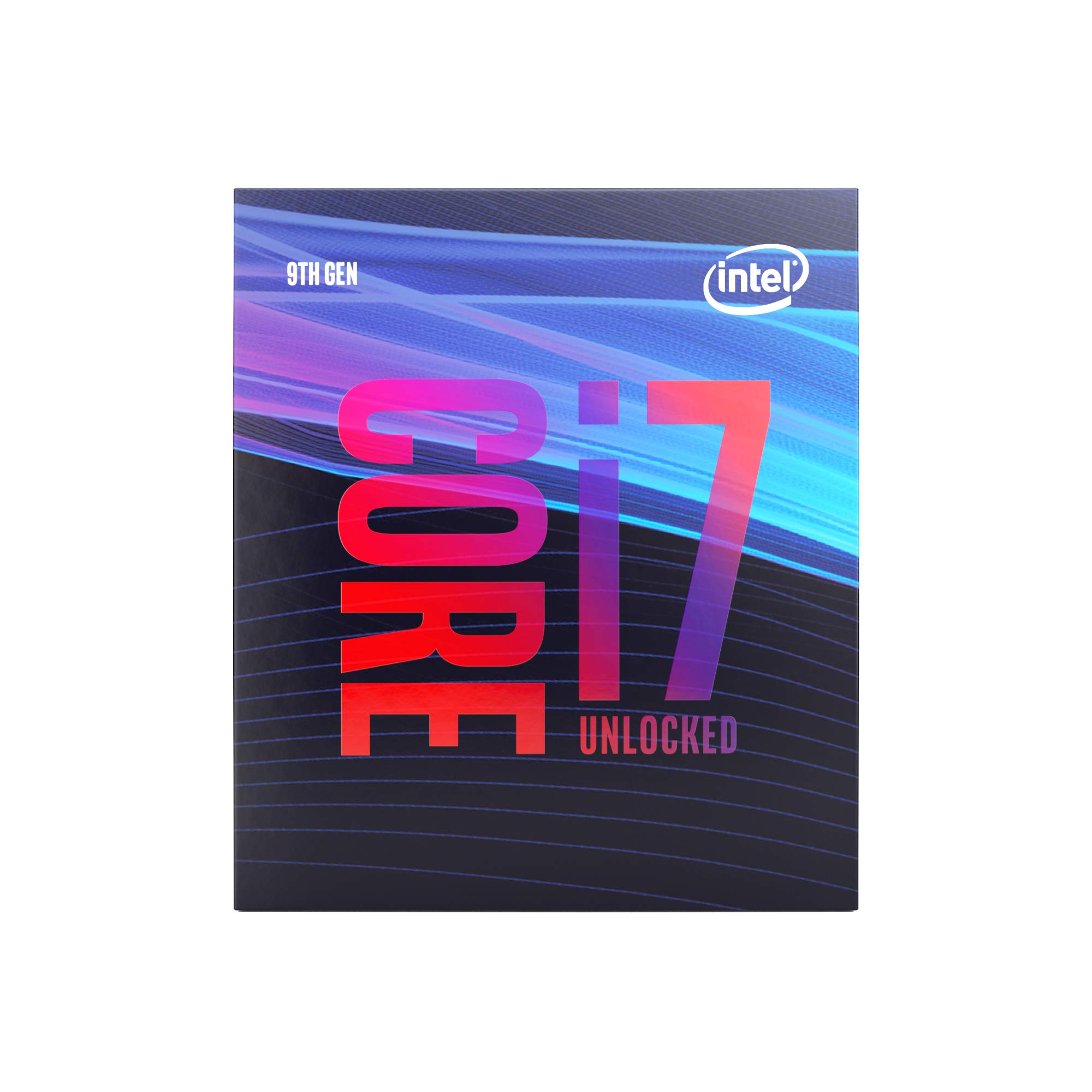
Intel
Core i7-9700K

Intel
Core i9-9900K

Intel
Core i3-7100
Intel
Core i3-8100
Intel
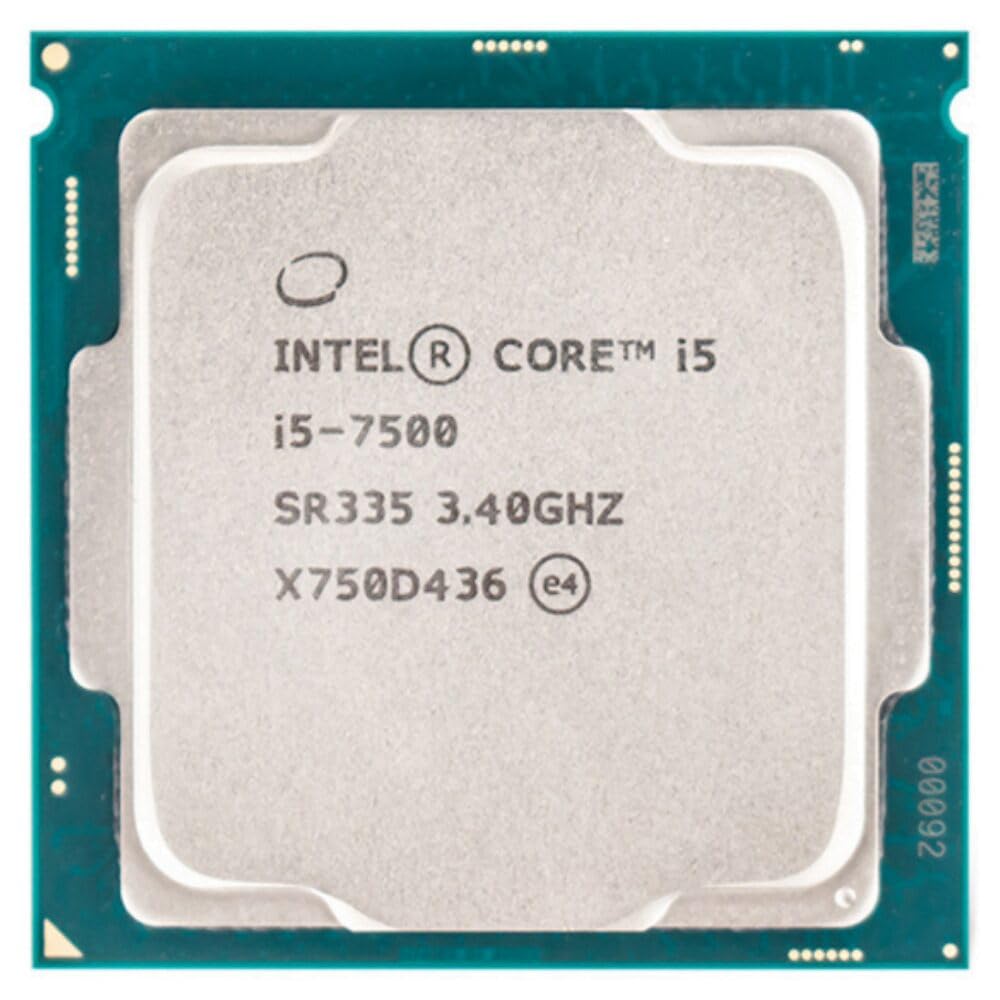
Core i5-7500

Intel
Core i5-7600K

Intel
Core i5-8400
Intel
Core i5-8600K
Intel
Core i7-7700

Intel
Core i7-7700K
Intel
Core i7-8700

Intel
Core i7-8700K

Intel
Core i3-6100

Intel
Core i5-6500

Intel
Core i5-6600K

Intel
Core i7-6700
Intel
Core i7-6700K

Intel
Core i5-4460
Intel
Core i5-4690K

Intel
Core i7-4790K
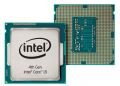
Intel
Core i3-4130

Intel
Core i7-4770K

Intel
Core i5-3470

Intel
Core i5-3570K

Intel
Core i7-3770

Intel
Core i7-3770K

Intel
Core i3-2100
Frequently asked questions about gaming CPUs
How many CPU cores do I need for gaming in 2026?
For competitive gaming in 2026 the sweet spot is 6 to 8 cores with SMT (hyperthreading). Modern titles like Cyberpunk 2077 and Starfield scale well up to 8 cores; 6 cores handles the vast majority of games without issue. More than 12 cores rarely helps in games but does matter for simultaneous streaming or content creation.
AMD Ryzen vs Intel Core: which is better for gaming?
Both platforms are extremely competitive in 2026. AMD AM5 (Ryzen 7000/9000) offers better power efficiency and platform longevity with DDR5. Intel LGA1700 (Core 12th–14th gen) excels in mixed workloads and has wide DDR4 board availability. The choice depends on total build budget and whether you already own a compatible board or RAM.
What is the difference between a Ryzen X3D and the standard version?
AMD processors with 3D V-Cache technology (X3D suffix) stack an extra L3 cache layer in 3D on top of the die. This drastically reduces data latency in games, delivering up to 15-25% more FPS in cache-hungry titles. They are the top gaming option even though their clock speeds are slightly lower.
Do I need liquid cooling for a gaming CPU?
It depends on the processor. Mid-range CPUs like the Ryzen 5 7600 or Core i5-13600K run well on a good tower cooler (Noctua NH-D15, DeepCool AK620). High-end processors like the Ryzen 9 7950X or Core i9-14900K benefit from a 240mm or 360mm AIO liquid cooler to unlock their full potential.